
Indonesian govt plans online learning shift starting April 2026 to save energy
Jakarta, Thekabarnews.com—The Indonesian government wants schools to start utilizing a system that is only partly online in April 2026. This initiative is part of the country’s effort to use...

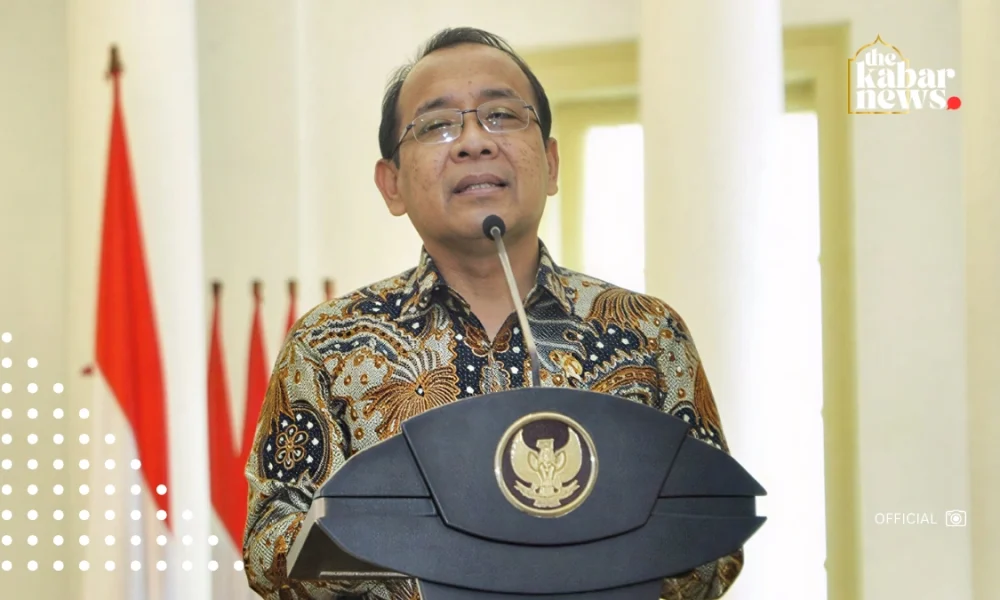
Jakarta, Thekabarnews.com—The Indonesian government wants schools to start utilizing a system that is only partly online in April 2026. This initiative is part of the country’s effort to use less gas and energy in schools.
Ministers from several departments talked about how to give government workers more independence at work. They could, for instance, work from home (WFH).
This is how the policy was initiated. They said the idea came from the COVID-19 pandemic, when people couldn’t go where they wanted.
The Coordinating Human Development and Culture Minister, Pratikno, recommended the careful development of the policy, utilizing research based on facts. The goal is to ensure that critical public services, especially education, are not hindered.
The idea specified that schools should provide both in-person and online education. You can teach theoretical lessons online. However, there are still things you can do in person to assist students in learning better.
You can teach others how to do things by showing them. Furthermore, you can have group conversations. In addition, you can let them do things on their own.
“People will still learn by doing to maintain the quality of education high,” Pratikno remarked.
The strategy aims to reduce daily fuel consumption and limit commuting. This approach is especially important in cities where getting around is challenging and requires a lot of energy.
Officials aim to see a clear decline in gas use by making it harder for students and government workers to travel about.
Education researchers worry that not all students have access to digital infrastructure. Education experts caution that limited digital readiness could hinder students in technology-based classrooms. It will also impair how effectively students learn.
The government needs to ensure that everyone may use digital platforms without any problems. This step is important because hybrid learning can help you get more done in less time. In addition, education can become more flexible and maybe even help students do better and be more interested.
They worry that a poorly thought-out plan could make the gap between city and rural schools even larger. In this instance, kids in different sections of the country would fare worse in school and have less access to what they need.
The government and schools are also developing adaptable systems as part of a broader initiative. Policymakers believe that combining online and in-person activities can assist in solving issues that will arise in the future. These issues include eliminating the education gap and ensuring that all students have equal access to resources.
The government will presumably set additional detailed guidelines as the date for the shift approaches. These guidelines will help make sure everything happens as planned. These rules will probably help schools and parents figure out how to aid with the new manner of teaching.
Rules will govern communication, training, and learning tools. For the new system to operate, everyone, including parents, teachers, and schools, needs to do their part.
This project illustrates that Indonesia is working on ways to conserve the environment. At the same time, they want to provide students a solid education.
The government is trying to help people and the environment by developing guidelines that make it easier for people to be kind to the environment at school. This also applies when they help others.
For instance, they are introducing recycling programs and pushing schools to be better for the environment.



No Comment! Be the first one.