

In 2025 Indonesia becomes the country with 462K coffee shops, the most in the world
Jakarta, Thekabarnews.com—Indonesia is now officially the country with the most coffee shops in the world, with about 462,000 cafés as of November 2025. The number is a big step forward for...

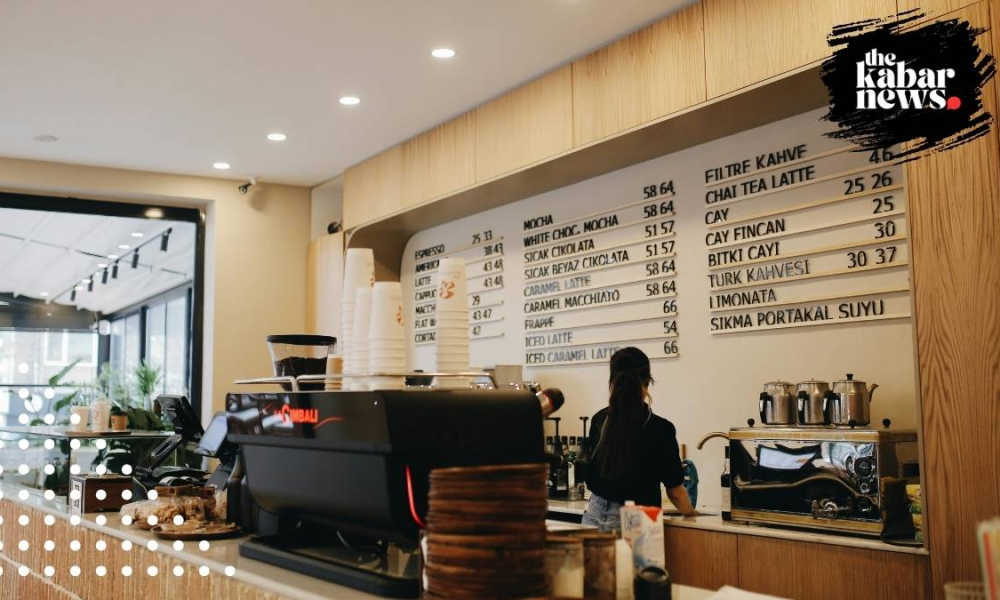
Jakarta, Thekabarnews.com—Indonesia is now officially the country with the most coffee shops in the world, with about 462,000 cafés as of November 2025. The number is a big step forward for Indonesia’s quickly growing coffee sector and shows how deeply coffee culture is ingrained in Indonesian society.
This achievement shows how Indonesia has changed from being known mostly as one of the world’s top coffee growers to becoming a major place where people drink coffee. Coffee shops have become a big part of everyday life because of the rise in demand in cities, suburbs, and even rural areas.
The country has transitioned from being a producer to becoming a consumption powerhouse.
For decades, Indonesia developed its global name by exporting coffee beans, specifically Arabica and Robusta beans, to markets in Asia, Europe, and North America. Exports are still essential, but the focus has moved inward. Coffee use in the country has continuously increased, thanks to population expansion, urbanization, and people having more money to spend.
Cafés serve as spaces where people socialize, work, study, and relax, reflecting broader shifts in how Indonesians use public and semi-public spaces.
Table Of Content
The growth of the middle class drives demand
People who study the coffee shop business say that the growth of the middle class is a big reason for the boom. More people can now afford to buy lifestyle products, including specialty drinks and café experiences, because they have more money to spend.
Smaller cities and regional hubs, along with big cities like Bandung, Jakarta, or Surabaya, are witnessing this trend. Coffee shops have moved beyond business districts and into residential areas, college campuses, and transportation corridors. This development has made them easier to get to and more popular.
Social media, youth culture, and the trend of working from home have all contributed to the growth of coffee shops.
Younger Indonesians are changing their behaviors, which is accelerating growth even further. More and more, Millennials and Gen Z customers regard coffee shops as an extension of who they are and their social networks. Social media is a big part of it. The interiors of the café, the latte art, and the trademark menus all help get people to come in and see the place.
Many cafés now offer reliable internet and provide work-friendly environments, turning them into informal offices for freelancers, students, and startup workers.
Brands are expanding both locally and globally
Both foreign companies and local business owners have helped coffee shops flourish quickly. Global brands are still growing, especially in cities and shopping regions. But when it comes to numbers, locally owned cafés are the most common type of café.
Flexible business methods, low prices, and strong ties to the community are all good for local businesses. Many focus on Indonesian coffee beans and menus based on local foods, which helps the domestic coffee industry and encourages small business owners.
Different types of coffee in different places
There are many different types of coffee in Indonesia. Third-wave cafés at the high end emphasize single-origin beans, brewing by hand, and being able to track the beans back to the farms where they were grown. These stores are for people who care about quality and craftsmanship.
At the same time, traditional warung kopi are still an important part of daily life since they offer cheap coffee options that many people enjoy. This coexistence allows the coffee industry to grow in a way that includes people from all walks of life and all parts of the country.
Indonesia has become the world’s coffee hub since it has the most coffee shops. The industry supports millions of jobs, from baristas and roasters to suppliers, designers, and people who work in logistics. It also helps other industries, like dairy, food services, and digital marketing, grow.
Coffee shops have changed life in cities and communities in more ways than just the economy. Cafés now serve as social hubs on the archipelago’s more than 17,000 islands, encouraging contact, creativity, and productivity.
As the sector grows, it still faces problems, including too many competitors, environmental issues, and making sure the quality is satisfactory. Still, Indonesia’s ability to mix history and new ideas ensures that its coffee culture will continue to thrive, keeping it at the center of the global coffee scene.






No Comment! Be the first one.