If the world suddenly had a blackout, could you survive without money or the internet?
Thekabarnews.com—What would happen if the world stopped working all of a sudden? It wouldn’t just be a terrible day or a brief blackout. But everything stopped working: no power, no internet,...

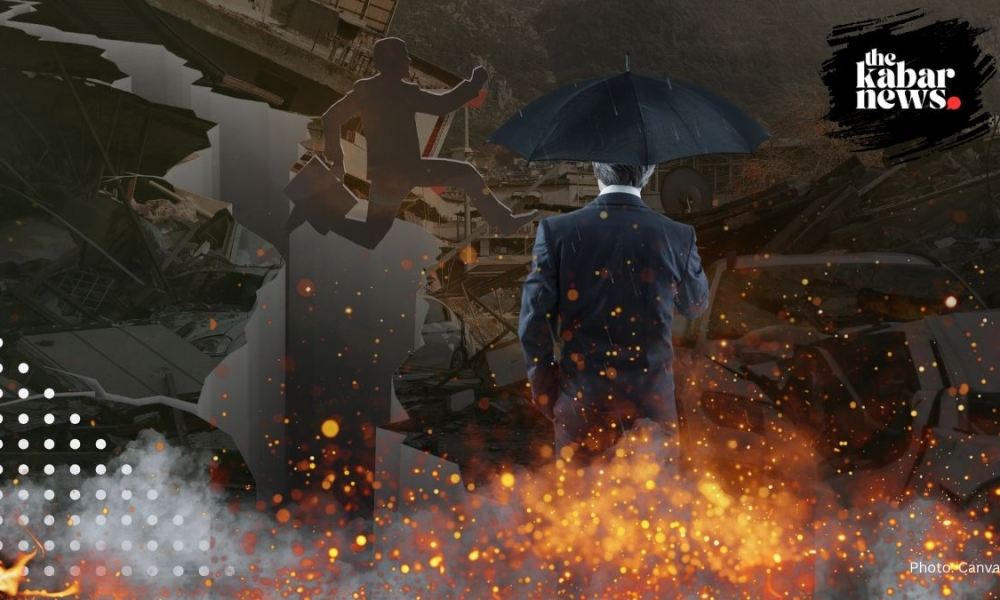
Thekabarnews.com—What would happen if the world stopped working all of a sudden? It wouldn’t just be a terrible day or a brief blackout. But everything stopped working: no power, no internet, no access to ATMs, no cell phone service, and no stores open. At that time, the important thing is not whether you have a lot of money or fancy devices. The only thing that matters is this: can you live without them?
It might sound like a movie storyline, but world leaders are already talking about how tensions are escalating. Should a major conflict erupt, the weaponry will surpass any previous deployment in lethality. And the results could destroy what we now call “normal existence.” In a fragile global system, even countries that say they are neutral may not be safe.
We can no longer afford to sit back and do nothing. Survival is no longer just a fantasy. You have to learn how to do it. When there is a crisis, the first thing that goes wrong is not the infrastructure—it is the thinking. People don’t fail because they are weak. They fail because they become scared.
When the world outside becomes unpredictable, the only thing we can still control is how we think. A mentality full of dread, anger, and hopelessness cannot carry out even the best survival plan. When everything seems out of control, mental resilience keeps you calm. It means going ahead when others stop.
Swimming is not just for vacations or posting on social media. Swimming can save your life in crises like floods, cities that are underwater, or rescue situations. Even the simple ability to float could potentially save your life.
Many individuals think they can swim, but they get scared when they stop swimming. To really know how to swim, you have to be able to stay calm in the water, not only move forward a few meters. You should think about this talent again right now, not later.
When contemporary buildings are no longer present, fire once again becomes a cornerstone of civilization. Fire heats food, keeps you warm, lights up your home, and lets you make tools and stay safe.
But most individuals nowadays cannot start a fire without a match. People in the past used stones, dried wood, and even the effects of a magnifying glass. These are not old tricks. They are still important for staying alive.
Finding or making food is no longer just a hobby. You could have to fish, capture small animals, plant, or raise livestock. Farming is even more important for people who do not eat meat or dairy. The main point is simple: do not rely only on food distribution infrastructure. Find out where food comes from and how to get it while stores are closed.
Even if you only plant chiles, tomatoes, spinach, or herbs in small pots, it will help you get stronger. The more food you can grow on your own, the better your chances of surviving.
Nature gives us nourishment, but it also gives us poison. Many plants in forests and other wild places may appear edible, but they are not. Knowing how to find safe natural food is a key survival skill.
In a situation when medical help is hard to get, one bad bite can kill you. This information is just as crucial as understanding how to cook. During calamities, medical systems could not be available. It can be quite helpful to know some basic herbal medicines, especially in places where there are many medicinal plants.
It is not a myth that guava leaves can help with diarrhea, betel leaves can help with infections, and ginger can help keep you warm. They are useful tools. You may also ease pain without medicine by doing simple things like reflexology massage. You don’t have to be a healer. Just know the basics and how to use them responsibly.
In an emergency, information might make the difference between life and death. Learning how to speak other languages, use hand signals, and even basic encryption methods will give you an edge.
You can find allies or become alone depending on your ability to talk to other groups, convey swift communications, or hide information. Having guns does not imply you can defend yourself. Knives, machetes, and bows are examples of tools that can keep you safe and help you hunt.
Authorities cannot always be relied on for security during times of crisis. You need to be able to keep yourself and your family safe from people who are scared and hungry.
A strong group lasts longer than a strong person. Small communities that trust each other, share resources, and provide each other emotional support last longer.
People who make connections now will be better off later. People who merely whine or cause trouble will become problems. Trust is an asset that helps you stay alive.
In extreme situations, digital money, traditional money, and even cryptocurrencies can all lose value. Since ancient times, gold and silver have been valuable.
If money systems break down and bartering comes back, things that are worth something will matter again. Precious metals could be one of the few things that stay the same.
Laptops break, phones die, and books last. Put herbal recipes, survival tips, and group plans in real notebooks. You can preserve information on paper for years and share it with others. Books become very valuable in a world without technology.
When supply chains break down, what is typically considered trash can be repurposed into useful items. Cans become stoves. Bandages are made from cloth. Plastic turns into roofing. When things go wrong, creativity takes the place of consumption. There is no more rubbish. Efficiency becomes life.
This material is not meant to scare you. It is designed to remind us that life is not always stable. Systems can break down. Comfort can go away. When that happens, the people who can adapt will be the ones who survive, not the smartest or richest.
If we are ready for 100% of what happens today, we will not be entirely destroyed by the crisis tomorrow. But if we only prepare 10%, the crisis will hit us hard, and it will be terrible. Not getting ready at all is even worse. Change now, or freak out later.
Disclaimer: This essay is just a basic look at being conscious of survival and being ready for a disaster for people to learn from and think about. It is not an academic study or a formal piece of journalism, even if it talks about well-known ideas and sources.
Source: PecahTelur




No Comment! Be the first one.