

How the words parents use shape their child’s emotional world
Thekabarnews.com – Every little thing that happens at home can teach you something about your feelings. Pat Montgomery, founder of Clonlara School, believes parents can see children make sense...

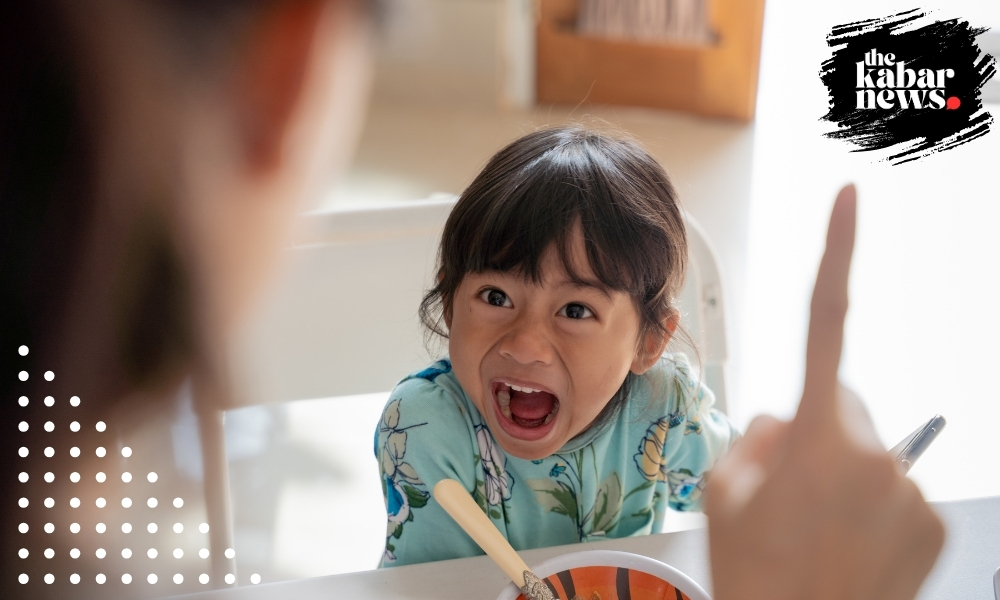
Thekabarnews.com – Every little thing that happens at home can teach you something about your feelings. Pat Montgomery, founder of Clonlara School, believes parents can see children make sense of their surroundings. By observing their experiences, we learn alongside them. Caring environments help youngsters develop lifelong emotional qualities, including confidence, empathy, and self-esteem. It’s fascinating how the words parents use shape their child’s emotional world, helping them develop essential skills.
Experts say that home is where children first start to learn emotional skills, including self-esteem, identity, self-confidence, and empathy. The love, care, and words we provide our kids at home help them build their sense of self and safety.
Table Of Content
Words are building safety and self-worth
Kind and helpful comments can build strength, while harsh remarks can sow doubt. Children generally believe what adults say; thus, words matter—they shape who we are and who we become. Research shows that approximately 50% of children report being yelled at or demeaned by adults, which might lower their self-esteem.
On the other hand, a regular stream of pleasant words and praise makes a child feel safe and confident. Psychotherapists say that children grow and bloom when they hear loving, encouraging words and feel safe.
Most kids say “I am proud of you” or “I believe in you” make them feel pleased, capable, and valued, according to surveys. As time goes on, kids learn our language. One expert says that the words of our caregivers sculpt the very substance of our emotional DNA.
When parents speak to their children with tolerance and support, they instill in them a sense of love and safety. But when parents use negative or humiliating words, the kids frequently take those comments to heart.
- Talk to them in a positive way: Focus on what your child accomplished well and applaud their efforts. Instead of criticizing, say, “I can see you worked so hard on that!” They become more confident and want to try again.
- Use kind explanations: Instead of yelling, softly tell the youngster what they did wrong (“The block tower toppled over”). This makes them feel like they have value.
- Take a break: If you feel angry, stop and take a big breath before you say anything. A calm voice reminds your child that you still love them even while you are correcting them. This approach shows them how to control their feelings by example.
- Fix things when they go wrong: If you say something harmful, say you are sorry and put things right (for example, “I am sorry I yelled; I was angry”). Kids learn that everyone makes errors and that things can be fixed.
These simple habits convert corrections into chances to teach, keeping a youngster emotionally safe while still regulating their conduct.
Be careful while correcting: guide gently, do not shame.
When a child misbehaves, staying calm can be tough, but research shows harsh punishment rarely works. Long-term studies link frequent yelling, threats, or physical discipline to higher risks of anxiety, depression, and aggression later in life.
A major study found that 3-year-olds raised strictly were 1.5 times more likely to develop serious mental health issues by age 9. Researchers noted that while setting limits is important, frequent harsh discipline is hard to justify given its mental health impact.
Kids who grow up with love and gentle direction tend to have fewer problems with their emotions and behavior. Therefore, experts say that correction should be done with care and compassion. When your child misbehaves, consider stopping for a moment. Take a deep breath, relax your voice, and then talk about the problem without getting angry.
This kind of presence really does cut down on angry outbursts. One study found that mothers who practiced mindful discipline and being present used less screaming and physical punishment. In other words, both the parent and the child will feel less stress if they slow down and keep calm.
- Do not blame, just describe: Explain what happened in a calm way, focusing on the action. For instance, “The cup slipped off the table” instead of “You are so dirty!” It makes the youngster feel that they are being valued.
- Do not talk loudly; talk gently. When you speak softly, it shows that you still care even when you are correcting conduct. You show self-control and safety when you stop, take a breath, and talk softly.
- Help them make it right by saying, “Let’s clean up this spill together.” This teaches responsibility and turns a mistake into a learning moment, not shame.
Modeling Emotions: Kids Learn by Watching
We do not always understand how much kids pick up on our emotions. Studies show parents are the main role models for how children learn to manage their emotions—kids learn by watching us.
Kids learn how to cope with their feelings when we keep cool, talk things out, and say when we are unhappy (“I am feeling frustrated, but I am taking a deep breath”). If we keep snapping at or ignoring our sentiments, they learn to do the same. Trauma experts say unhealed parents may react to a child’s distress with anger or impatience because it triggers their own unresolved feelings.
Unresolved anxiety or pain can influence our behavior at home. The good news is that we can change this model. We teach our kids how to control their emotions in a healthy way by doing it ourselves. When kids see us calmly solve problems and show empathy, they learn to do the same.
These daily examples help kids establish their own emotional vocabulary over time. They learn that it is acceptable to be unhappy and that they can handle it with a hug, words, or a calming activity. Children learn self-control, resilience, and how to comfort themselves by watching us confront stress in a calm and loving environment.
What we say becomes a child’s inner voice
Our words stay with people long after they are children. When we say things like “You are loved” or “You can accomplish it,” we add to the story that our child will carry with them. Conversely, repeated use of negative words can lead to internalized self-criticism. Psychotherapists claim that these early signals create a child’s sense of self: the words our caregivers say to us shape the narrative we tell ourselves about who we are and what we are worth.
Surveys show that many people still hear echoes of words from their childhood in their heads, both good and bad. Sadly, studies indicate that cruel words can leave deep wounds. About 4 out of 10 kids hear people say mean or disparaging things to them, and this kind of verbal abuse can hurt their self-esteem just as much as physical assault.
Ultimately, each syllable said at home helps build the narrative our children will grow up believing. When we choose to be kind and helpful in our everyday speech, we help a youngster feel safe and confident for life. As one doctor puts it, kind words really do lay the groundwork for a child’s future mental wellness.
Talking to each other with kindness can help us heal our wounds
Lastly, parents need to understand that our past experiences shape our language today. Words and actions might be affected by grief or trauma from our past that we have not dealt with yet. Experts in intergenerational trauma say that parents who have unresolved trauma may have trouble controlling their emotions and may react out of fear or mistrust without even realizing it.
We might be too hard on our kids or snap at them more often because of how we feel. Awareness is the first step. Admitting our emotional wounds allows us to start healing and make more deliberate word choices. It is not about blaming anyone; it is about stopping the cycles. Therapists do say that understanding and processing our past opens the door to breaking destructive cycles, promoting resilience, and creating more stable, compassionate family dynamics.
Taking care of our hearts (via therapy, self-reflection, or support) makes us calmer and more understanding when we talk to other people. Our kids can feel it: words come from a place of love and serenity instead of pain. Taking care of our own emotional health makes our house a safer place for everyone’s feelings. As parents heal, they naturally select kinder, gentler words.
Therefore, the kind words we want to say to our kids start with saying them to ourselves first. Everything we say to our kids is important. A supportive, respectful family becomes a loving emotional school where kids feel safe to express feelings, make mistakes, and grow into confident, caring individuals.
We give our kids a wonderful gift by being careful about what we say and how we say it, correcting them with kindness instead of punishment, and mending our wounds. This gift will stay with them for the rest of their lives.
Sources: Research and psychology experts on parenting, controlling emotions, and child development






No Comment! Be the first one.