

Herman Hofi Munawar: MSMEs are still the strongest sector throughout economic downturns
Pontianak, Thekabarnews.com—As Indonesia moves into early 2026, people are becoming more hopeful about the banking sector. This is especially true when it comes to its role in helping...

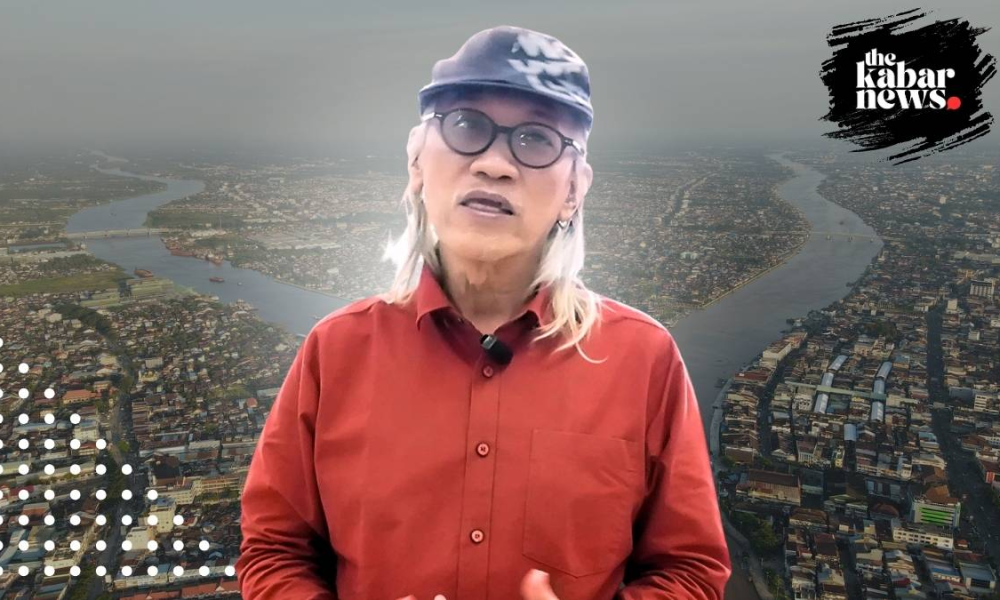
Pontianak, Thekabarnews.com—As Indonesia moves into early 2026, people are becoming more hopeful about the banking sector. This is especially true when it comes to its role in helping Indonesia’s micro, small, and medium enterprises (MSMEs). Notably, people view micro- and ultra-micro businesses as crucial. People in West Kalimantan and other parts of the country view this industry as vital. It plays a key role in both the national and regional economies.
Herman Hofi Munawar, a public policy and legal observer, said that history has proven MSMEs are the most resilient part of the economy in crises. He asserts that their longevity stems from their close ties to the real economy and local communities.
Herman noted, “During the 1998 economic crisis, MSMEs were the backbone that helped sustain the national economy. This sector is not a supporting element; it is the fundamental engine of the people’s economy, with the ability to absorb about 80% of the workers.”
Herman said that even though this information is true, commercial progress among micro- and ultra-micro businesses in West Kalimantan is lacking. As of early 2026, there has been no significant progress.
He stated that banks must take this issue more seriously and strategically. Planning, organization, and measurable development initiatives are particularly crucial.
He added, “The public requires programs with clear follow-up. Business people need continuity—real help that makes a difference.”
Herman also told banks to be more aggressive and make changes. He thinks short-term marketing workshops and MSME expos are not enough for real growth. Instead, he asked for the creation of practical business incubators for ongoing support.
He said, “Banks should not just be places to get loans. They need to see themselves as business mentors who can help MSMEs grow throughout time, from planning and execution to growth.”
Herman also hoped that banks could help local MSMEs link with supply chains for big companies in West Kalimantan. Fair and beneficial partnerships will offer MSMEs stable market access and expansion opportunities.
Herman lauded the general state of West Kalimantan’s banking industry regarding money. The Non-Performing Loan (NPL) ratio in the area remains satisfactory as of January 2026. He thinks this ratio is significant proof of the honesty and financial skill of MSME actors in the province.
“MSME business owners in West Kalimantan are very responsible and obey the rules when it comes to their money,” he said.
Herman urged a change in MSME development due to their significant potential. He emphasized that the quality of business advice, not just the amount of credit, should measure success.
He stressed that banks should be strategic partners. Banks should help MSMEs become digital, have strong business strategies, maintain clear and honest books, and build an entrepreneurial mindset. Such efforts will help them handle market fluctuations.
“With strong cooperation between banks and businesses, MSMEs in West Kalimantan will not only survive but also advance up the value chain and become a driving force for inclusive economic growth in 2026 and beyond,” Herman said.



No Comment! Be the first one.