

From Madinah to Hebron: The 14-century waqf that never stopped giving
Thekabarnews.com—More than 1,400 years later, a compelling story from the ninth year of Hijri is still important. The story starts with Tamim ad-Dari, a tribal leader from Palestine who had just...

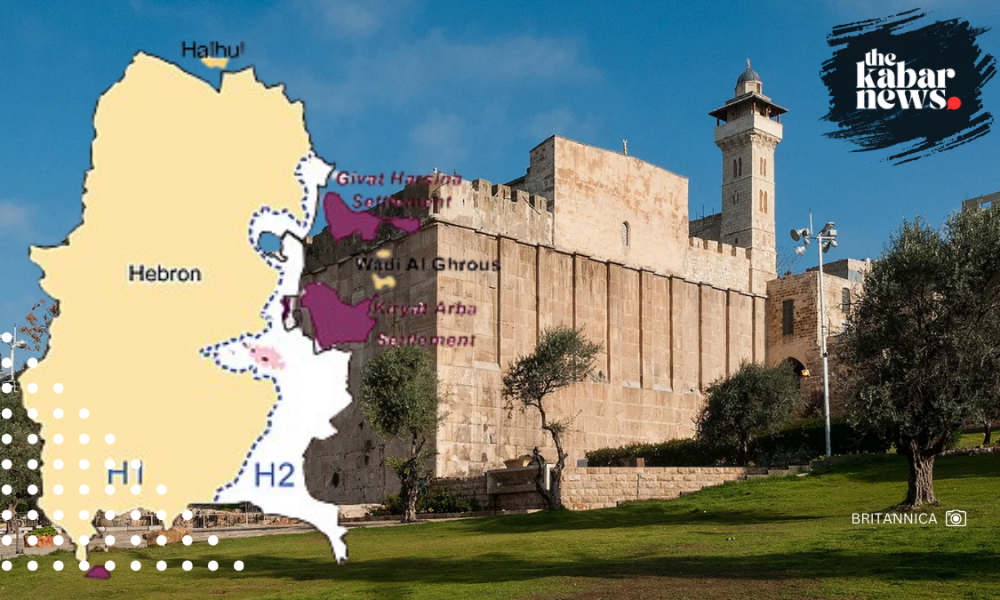
Thekabarnews.com—More than 1,400 years later, a compelling story from the ninth year of Hijri is still important. The story starts with Tamim ad-Dari, a tribal leader from Palestine who had just converted to Islam. He traveled to Madinah to see the Prophet Muhammad ﷺ. Surprisingly, he asked for something strange: land in his hometown of Hebron (Al-Khalil). At that time, Hebron was still under Byzantine control.
Classical Islamic sources say that the Prophet Muhammad ﷺ agreed to the request and wrote it down. The witnesses were Abu Bakr, Umar ibn al-Khattab, Uthman ibn Affan, and Ali ibn Abi Talib. The paper said that Tamim ad-Dari and his family would get the land of Hebron and the villages around it as a waqf (gift).
At the time they wrote the document, Muslims didn’t yet control the area. However, years later, when Umar ibn al-Khattab was caliph, the Muslim government peacefully took over Jerusalem and the areas around it. Historical records also show that people accepted the earlier document. Thus, the endowment agreement officially recognized the land in Hebron.
Hebron is still one of the most important cities in Palestine. People associate the Ibrahimi Mosque with the Prophet Abraham. For hundreds of years, travelers and historians wrote about a permanent guesthouse system that this endowment paid for. In fact, Ahsan al-Taqasim, a book by the 10th-century geographer Al-Maqdisi, says that endowed properties provided free meals to people who came to Al-Khalil. These meals included lentils and olive oil.
Tamim ad-Dari started the tradition of hospitality by giving money to help others. Moreover, records show that it has continued over the years. People say that the waqf helped pilgrims, took care of holy sites, and helped people in the area who needed it.
Hebron is still an important religious and cultural center today. Although there are political problems in the area, the idea of waqf is still important for helping people in the Islamic world.
Many people say that the event was one of the first times that an Islamic charitable endowment worked for hundreds of years. It shows a long-lasting model of social welfare based on Islamic law. In addition to its spiritual side, it had a deep social impact.
The story of Tamim ad-Dari shows how a promise made on paper in Madinah over 1,400 years ago became a charity that still exists today. Furthermore, it reminds us that laws from the past can have a long-lasting effect on how society works.







No Comment! Be the first one.