

Heavy labor during Ramadan: Is it permissible to break the fast?
Thekabarnews.com—In Ramadan, many people who work hard ask the same question: does heavy work mean you do not have to fast? There is a clear difference in Islamic law. Severe illness and travel...

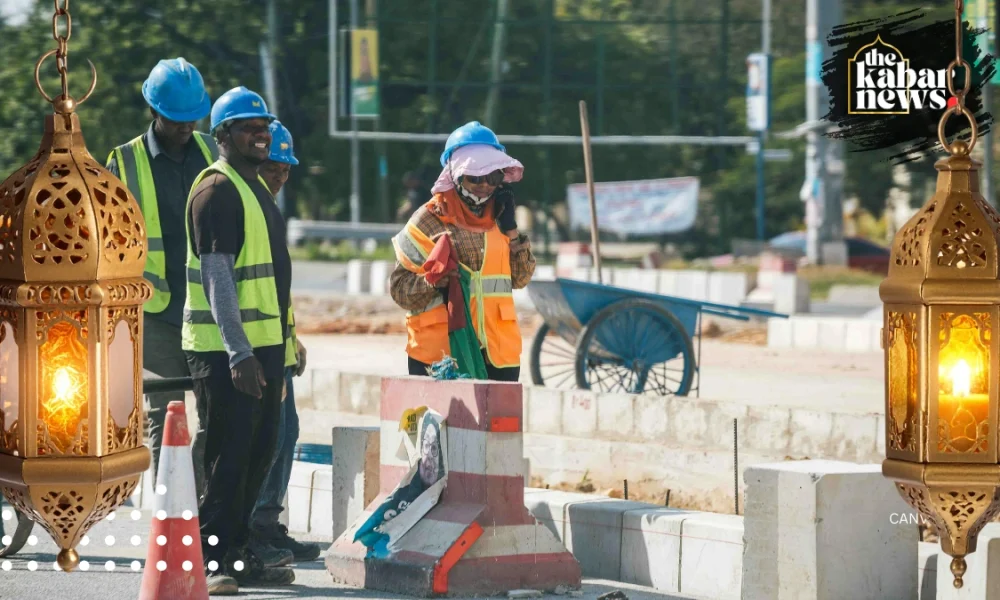
Thekabarnews.com—In Ramadan, many people who work hard ask the same question: does heavy work mean you do not have to fast?
There is a clear difference in Islamic law. Severe illness and travel (musafir) are recognized as religious exemptions (udzur syar’i), allowing an individual to decide the night before not to fast. Heavy work, on the other hand, does not fit into that group.
Scholars stress that jobs that require a lot of work do not automatically mean you can stop fasting. A worker still has to make the niyah at night and eat sahur. You cannot say ahead of time, “I will not fast because I have to work tomorrow.”
When can you break the fast?
A worker can only break the fast if they meet certain strict conditions:
• The person has already started fasting at dawn.
• During the day, they go through a lot of trouble (masyaqqah) that really puts their health at risk, like severe dizziness, blurred vision, or severe dehydration.
• If the fast goes on, there is a real fear of fainting or getting very sick.
The person may only break the fast if they have enough food or drink to get rid of the danger.
Can they keep eating after they break their silence?
No. If someone has to break their fast because of an emergency:
• They can only eat or drink enough to get rid of the danger.
• After that, they must observe imsak, which means they cannot eat or drink until Maghrib out of respect for the holiness of Ramadan (hurmatus syahr).
This discipline keeps the holy month’s spiritual dignity intact.
Fidyah or Qadha?
One of the most common misunderstandings is about pay. Many people think that heavy laborers can just pay fidyah (feeding the indigent). This is not right.
As long as a person is physically able, they must do qadha, which means they must make up the missed fast on another day, like on their days off or when the weather is cooler. Fidyah is only for old people or people with long-term illnesses who have no hope of getting better.
Employers also have a moral duty. During Ramadan, they are encouraged to make work easier, cut back on hours, or move shifts to the evening when they can.
Making a living is a form of worship. Islam is based on fasting. When believers sincerely strive to maintain both practices, they receive a significant spiritual reward. Islamic teachings remind us above all else that Allah knows the limits of His servants.







No Comment! Be the first one.