

Indonesia govt cancels online learning plan, prioritizing face-to-face classes
Jakarta, Thekabarnews.com—The Indonesian government has formally pushed off plans to bring back online learning for schoolchildren starting in April 2026. This means that they still want to keep...

Jakarta, Thekabarnews.com—The Indonesian government has formally pushed off plans to bring back online learning for schoolchildren starting in April 2026. This means that they still want to keep face-to-face education available all over the country.
In the past, people talked about how to save energy and make things operate better. The concept of resuming remote learning again came up as well.
But eventually, the people in charge determined that the possible hazards to the quality of education were greater than the promised benefits.
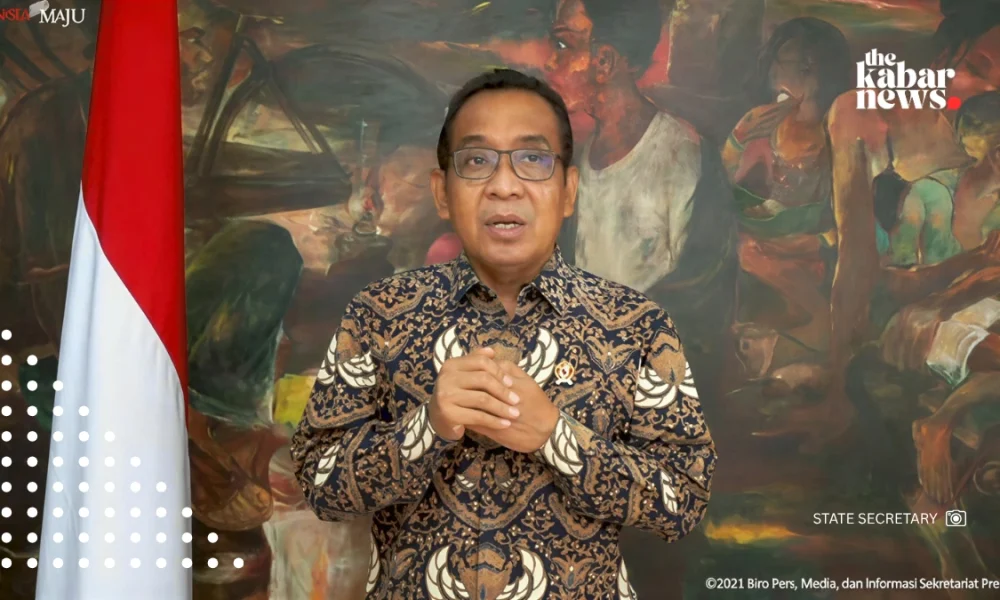
The Coordinating Human Development and Culture Minister (Menko PMK), Pratikno, said that ministers from other departments talked to each other. They agreed that the best approach to teaching is still in person.
“The school system needs to continually improve learning and discourage people from forgetting what they have learned. Because of these discussions, we put in-person learning first for pupils,” Pratikno declared, Tuesday, March 24.
Menko PMK also said that the administration is considering using a mix of online and offline tactics to enhance engagement and retention of knowledge among students. But officials said this approach isn’t needed now. This is because teachers and students must talk directly.
Education experts have been warning about the dangers of long-term distance learning for a long time. For example, pupils can lose interest, have fewer resources, and the gaps in how they learn might become bigger.
The government’s choice shows that people care more about these problems and want to make sure that academic progress stays steady.
Menko PMK said that the goal of the policy is to improve education overall and to help students grow socially and emotionally. These factors often correlate with classroom learning.
The administration’s choice also indicates a desire to abandon the emergency-era tactics employed during previous crises. The objective is to improve and sustain long-term education standards.
Officials indicated that digital learning tools will still be useful for schools, but they will not replace face-to-face teaching. Digital learning tools will not replace face-to-face teaching; instead, they will be used in conjunction with it.
As Indonesia moves forward, officials are working to improve classroom learning. They are also ensuring that education can handle future challenges. Such challenges include potential disruptions from natural disasters or pandemics that could affect in-person attendance.
The government’s decision to stop the online learning program shows that they still believe kids need to learn in person.




No Comment! Be the first one.