

Finland successfully transmits electricity through the air without using physical wires and plugs
Finland, Thekabarnews.com—Finnish scientists are reshaping the future of electricity transmission by developing innovative methods, including sound-wave-based “acoustic lines.” They are also testing...

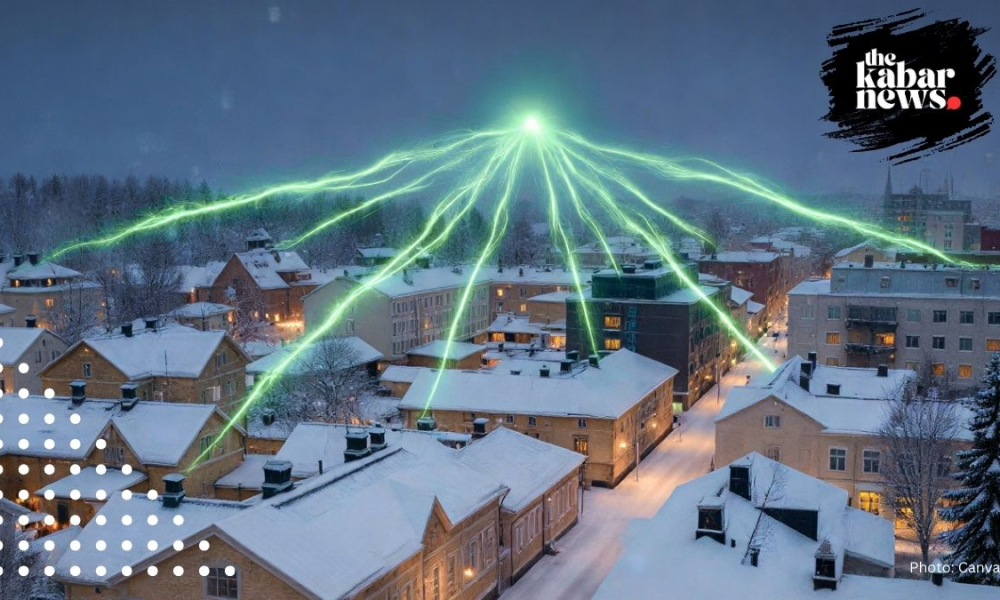
Finland, Thekabarnews.com—Finnish scientists are reshaping the future of electricity transmission by developing innovative methods, including sound-wave-based “acoustic lines.” They are also testing laser-based power transfer.
Finland has achieved a giant step forward in the search for wireless electricity transmission by establishing that it is possible to transport power via the air without requiring wires. Researchers from the University of Helsinki and the University of Oulu made this important discovery.
It is a big step forward in the world’s efforts to create energy systems that can work without physical links.
Finnish scientists are using a combination of ultrasonic sound waves, laser technology, and radio-frequency energy harvesting to find novel ways to transmit electricity. These methods are useful in regions where standard wire is too unsafe or unfeasible.
Using sound, they are making a “sound wire”
One of the most intriguing new ideas is to use high-intensity ultrasonic pulses to change the air around us. Scientists call these sound waves “acoustic wires” because they make unseen, organized paths that might generate electrical discharges.
According to the MES Times, this new approach lets electrical sparks go through the air in a very regulated way. It stops electricity from spreading in unexpected ways. Researchers are still testing the concept. However, it suggests that sound waves can change the flow of electricity without needing a physical conductor.
There are many possible uses for better acoustic wiring. For example, it might transform how electrical systems work. It could also make moving energy safer in sensitive locations. In addition, it could change how power connections work by getting rid of plugs.
Finnish scientists are also exploring power-by-light, also known as laser-based power transfer. This method employs powerful lasers to deliver energy over vast distances by sending focused beams of light to receivers. The receivers then convert the light into electricity for a wide range of uses.
This technique could be particularly useful in regions that are extremely difficult to access or dangerous, such as nuclear plants, disaster-stricken areas, and industrial sites where ordinary cables are very harmful. Wireless laser power is safer because it cuts down on exposure and makes sure the power supply is always present.
The process uses energy from radio waves
Researchers are making great strides toward using radio-frequency (RF) energy and systems that use sound and light. This new device gathers electromagnetic signals from Wi-Fi, cell phone networks, and other radio sources nearby. It then turns them into little bits of energy.
RF harvesting does not create a lot of energy right now, but it could transform how low-power Internet of Things (IoT) gadgets acquire their power. By making batteries less required or getting rid of them, this method could help smart cities and industrial systems make less electrical waste and save money on maintenance.
Although these technologies are not yet ready for widespread use, experts believe they will transform the future of electricity delivery. Wireless power transfer might make infrastructure more adaptable. It might also make it easier to set up smart devices rapidly and make things safer in risky situations.
Finland’s research on ultrasonic, laser, and RF-based power transmission demonstrates that future energy systems will transfer power through carefully engineered waves of air, light, and sound rather than through traditional metal cables. This new way of looking at things could change a lot about our world. It could also make current electricity systems work better.
Source: University of Helsinki. Wireless Electricity Transmission: Breakthroughs in Acoustic and Laser-Based Power. University of Helsinki News.







No Comment! Be the first one.