

Finance minister’s criticism of Islamic banks sparks debate over costs and governance
Jakarta, Thekabarnews.com—Since Finance Minister Purbaya Yudhi Sadewa spoke out against some sharia banking practices, Indonesia’s Islamic banking industry has come under fire. Islamic scholars...

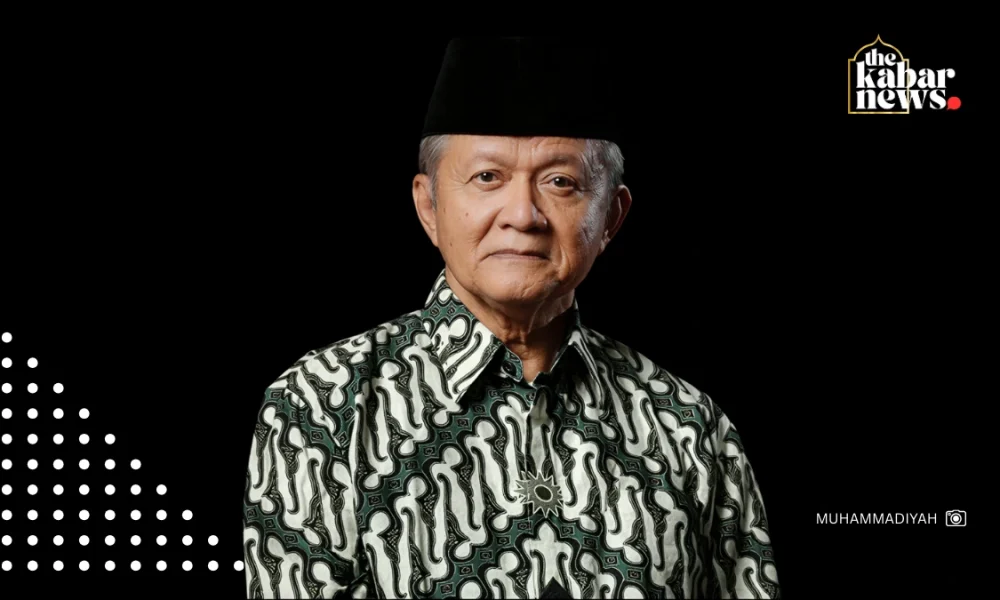
Jakarta, Thekabarnews.com—Since Finance Minister Purbaya Yudhi Sadewa spoke out against some sharia banking practices, Indonesia’s Islamic banking industry has come under fire. Islamic scholars and lawmakers have taken note of the remarks made. Head of Muhammadiyah’s central executive board, Anwar Abbas, has told people to see the talk for what it is: a chance to make things better, not a place to fight.
Anwar Abbas says that Islamic banking’s biggest problem is not the terminology but its operational costs and broader funding structure.
“Islamic banking is just a new name for old banking terms” is too simplistic. Changing words is not enough to make a difference. This type of banking is about money and ideas,” Anwar said.
Islamic law says that charging interest (riba) is wrong and that loans should be based on assets. Islamic banks follow this law and don’t use regular loans or interest rates. Instead, they use contracts like murabahah (cost-plus financing) and profit-sharing plans like musyarakah and mudharabah. These models combine faith with rational thought about money.
Anwar said that it isn’t straightforward to say that Islamic banks charge more than other banks. However, he acknowledged that the structure of these banks complicates the process of obtaining funds.
Keep in mind that Islamic banks in Indonesia are usually smaller than other types of banks. Each unit costs more to run because it has fewer assets. People still borrow money by using savings and time deposits, even though there are better ways to do it.
At the beginning of a murabahah contract, both sides agree on a certain margin. Initially, this structure may cause payments to appear higher than those of regular loans, which typically start with lower interest rates that increase over time. Administrative expenses and risk profiles influence the financing cost.
Anwar talked about the good things about Islamic banking, even though there were problems. Banks promise customers fixed installments for the entire duration of the contract. The contracts are halal, and the late fees don’t go into the bank. Instead, banks use the funds to support social and community development projects.
People worry about the future of Islamic finance in Indonesia and question how it will compete. People who are talking about this think it is more than just a disagreement. They think it is a chance to make the government better, the sharia banking system stronger, and things run more smoothly.
Indonesia can only get closer to becoming a global hub for Islamic finance if the talks about new ideas, openness, and cost structure go well.





No Comment! Be the first one.