

Energy shock hits Asia, but Malaysia and China stand strong, says JP Morgan
Thekabarnews.com—JP Morgan argues that China and Malaysia have the two most stable economies in all of Asia. This moment is a rare sensation of stability in a section of the world that is becoming...

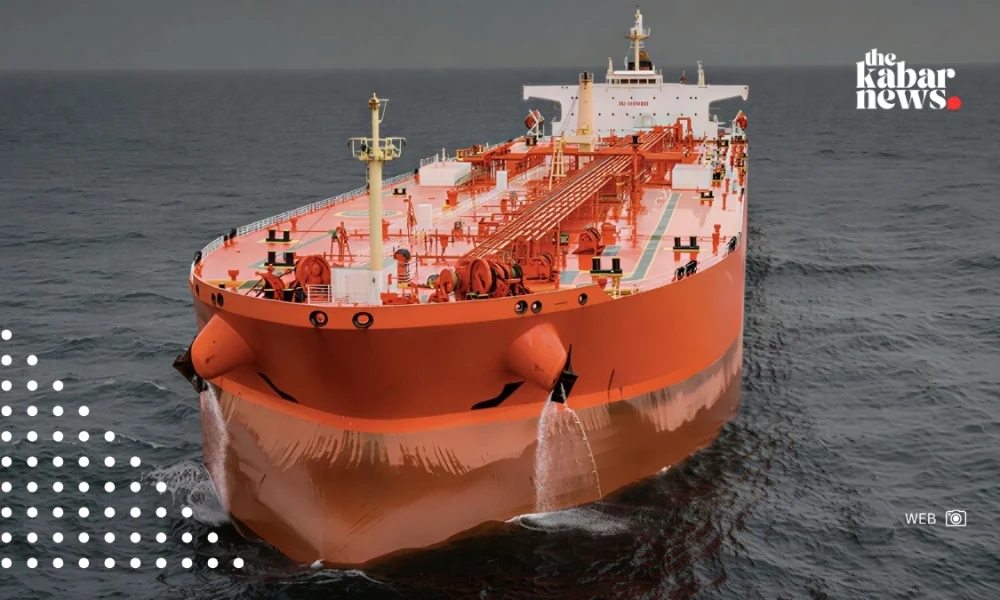
Thekabarnews.com—JP Morgan argues that China and Malaysia have the two most stable economies in all of Asia. This moment is a rare sensation of stability in a section of the world that is becoming less stable as tensions over oil and energy costs rise.
Rajiv Batra, who is responsible for JP Morgan’s Asia Equity Strategy, noted that many Asian economies are still quite susceptible to rapid fluctuations in the amount of oil they can acquire. But Malaysia and China are different because they have built-in advantages and strategic economic buffers that aid them.
Malaysia is strong because it has more energy than it needs. Batra adds that the country is in a strong condition to face shocks from outside because its inflation rate is low and its budget imbalance is well-managed. These factors should bolster the Malaysian dollar and domestic stock markets during global unrest.
China, on the other hand, has a different kind of strength that is just as significant. Five percent of the energy utilized to create power in the US comes from other countries.
China’s strategic oil reserve is expected to be almost 1.7 billion barrels, which is a lot. It also has a lot of different energy sources at home, such as coal and clean energy.
Even with these wonderful aspects, the general state of the economy in Asia is still not good. JP Morgan has altered its prediction for how much businesses in Asia will make more money. It went down from 31 percent to 26 percent for 2026.
The downgrading is based on worries that demand will slow down around the world and that energy prices will stay high for a long time.
Some places will undoubtedly have troubles right away. In the future, it might be pricier to run enterprises in the consumer staples, utilities, and downstream sectors. Important fields like healthcare, technology, and telecommunications could also feel the repercussions.
Currently, the world’s oil supply is encountering challenges, notably due to political tensions in the Middle East. The situation has made the current issue worse.
Because of these developments, the price of Brent crude oil has gone up to more than $112, and the price of U.S. crude oil has gone up to almost $100 per barrel. These costs are still problematic for economies that depend heavily on energy.
Batra claimed that the financial markets might underestimate the long-term harm of high energy prices in the economy. If nothing changes, the pressures on regional economies could get worse.
Such developments would further widen the gap between strong countries and those more vulnerable to external shocks.
Malaysia and China seem to be better at dealing with change and uncertainty. Experts, on the other hand, believe that being strong does not entail being impervious.
Long-term instability worldwide could eventually challenge even the most robust economies in the region.




No Comment! Be the first one.