

Dzulqarnain: The king who refused wealth and built a wall against Ya’juj and Ma’juj
Thekabarnews.com—The Qur’an tells the story of a prince whose humility matched his power, even before the establishment of borders and the naming of empires. Surah Al-Kahfi verses 83–99 show...

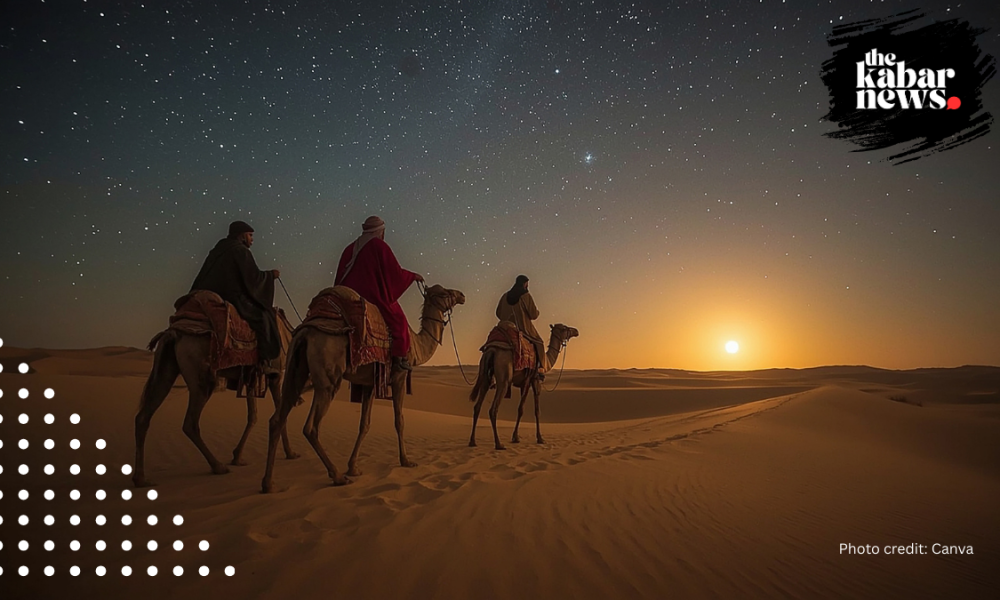
Thekabarnews.com—The Qur’an tells the story of a prince whose humility matched his power, even before the establishment of borders and the naming of empires. Surah Al-Kahfi verses 83–99 show him as a conqueror and a leader. Dzulqarnain lives under the guidance of faith, justice, and compassion.
Dzulqarnain received sababa, which gave him the means and pathways to accomplish what other rulers could not. He possessed extensive knowledge in science, technology, and military strategy. His knowledge was significantly superior to that of his time. Additionally, scholars are still arguing about who he was in history.
Several contemporary historians associate him with Cyrus the Great of Persia, citing his reputation for tolerance and ethical leadership. Some classical interpretations tied him to Alexander the Great. However, this view is contentious because people had different beliefs.
As he traveled west, he came to a place where the sun seemed like it was going down into a black spring. There, he had to make a moral choice. Dzulqarnain had to decide whether to punish the people or help them. He picked justice. He said that people who did awful things would be punished. On the other hand, people who believed and performed good things would be rewarded well.
As he traveled east, he encountered a group of people who had no protection from the intense heat. They lived in austere simplicity. They did not have walls or trees to shield them. Dzulqarnain ruled fairly once more. His actions showed that power did not have to entail being nasty.
The most exciting part of his story happened between two mountains in the north. There, a weak group of people prayed for protection from the Ya’juj and Ma’juj, which were awful. They promised him money but Dzulqarnain said no.
He responded, “What Allah ﷻ has given me is better.” He begged for work and materials instead of gold. Together, they constructed a massive iron wall, fortified by molten copper. The finished product was an engineering marvel. It stood for both strength and unity.
Dzulqarnain did not brag when the wall was done. He said it was a gift from Allah ﷻ. He also warned that the wall would fall down and chaos would return when Allah ﷻ’s promise came true.
His narrative is not simply about winning. It is about being a leader without being arrogant, using technology without taking advantage of people, and having power without being cruel. It is an old reminder that real strength comes from serving others. True strength comes from serving them, not ruling over them.






No Comment! Be the first one.