

Despite following protocol, dr. Ratna Setia Asih became a suspect: Here’s why she was blamed
Doctor with an orange vest: Is it a crime or malpractice? This explosive case is shaking up Indonesia’s medical world. Thekabarnews.com—By January 2026, one pediatrician’s court case has...

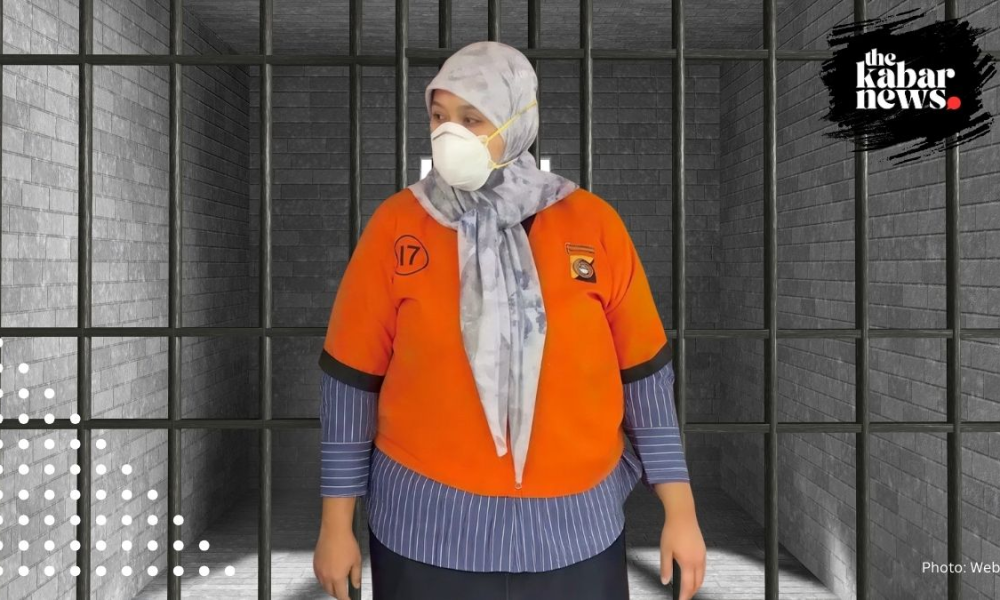
Doctor with an orange vest: Is it a crime or malpractice? This explosive case is shaking up Indonesia’s medical world.
Thekabarnews.com—By January 2026, one pediatrician’s court case has turned into a national test of Indonesia’s health regulations. It is a warning for all doctors on duty. The criminal case against dr. Ratna Setia Asih, a pediatrician at RSUD Depati Hamzah, has grown far more than the death of one patient.
Table Of Content
What began as a medical emergency has evolved into a discourse on legal overreach, professional protection, and the delicate balance between holding doctors accountable for misconduct and criminalizing them. Here is a new timeline and analysis based on events that happened up until January 2026.
On November 30, 2024, a 10-year-old kid named AR came to RSUD Depati Hamzah with a fever, vomiting, and extreme weakness after getting care at three other health facilities.
On December 2, 2024, AR’s health got much worse very quickly. An EKG showed that the heart was not working right. Dr. Ratna sent the patient to a cardiologist who worked in the same hospital. Hours later, at around 11:00–11:30 WIB, doctors declared the child dead.
The loss was terrible for the family. For the medical team, it was the start of a protracted legal battle.
From a simple complaint to a criminal charge
AR’s father went to the Bangka Belitung Regional Police and told them that the doctors were negligent. The investigators asked the Professional Disciplinary Council (Majelis Disiplin Profess—“MDP”) for advice.
Despite the involvement of at least eight doctors in AR’s care, authorities only listed Dr. Ratna as a suspect. Police made the charge official in June 2025 with Decree S.Tap/35/VI/RES.5/2025. The announcement shocked many people in the medical field.
On November 20, 2025, prosecutors said the case dossier is P21 (complete) and sent it to the Bangka Belitung Higher Prosecutor’s Office. Dr. Ratna was arrested and seen in public wearing an orange jail vest. That picture went viral and caused a lot of anger.
Doctors push back: This is criminalization
Professional groups supported Dr. Ratna. Ikatan Dokter Indonesia (IDI) and the Ikatan Dokter Anak Indonesia (IDAI) said that what she did was in line with professional standards and established treatment routes.
During the initial trial hearings, hundreds of doctors and health workers peacefully protested outside the Pangkalpinang District Court.
The Indonesian Medical Professors Council (MGBKI) decried the prosecution as a violation of Health Law No. 17/2023. This law stipulates that ethical and disciplinary processes must handle claims of professional misconduct before criminal prosecution.
Rp 2.8 billion as ‘moral responsibility’
dr. Ratna’s husband, Wahyu Seto Aji, said that the family tried to settle things out of court to avoid going to court. During a meeting at the complainant’s lawyer Andi Kusuma’s house and legal office, the child’s father, Yanto, allegedly asked for Rp 2.8 billion as “moral responsibility.”
Wahyu said the money would fund the construction of a mosque in the child’s name, pay for the siblings’ education, and cover other expenses. Authorities charged only dr. Ratna.
“Seven other doctors were involved, but authorities laid the entire burden on my wife,” Wahyu said.
The court has not proven this statement. Even so, its rise has made people more suspicious of pressure methods and selective responsibility.
What the case looks like now
The Pangkalpinang District Court is still holding the trial. According to reports, Dr. Ratna’s lawyers have sued the health ministry. They are contesting the disciplinary recommendation that led to her suspicion.
It is not only about one doctor or one patient anymore. The case of Ratna Setia Asih has become a national alarm, presenting important questions:
- When does a mistake in medicine become a crime?
- Why did authorities charge only one doctor when so many were involved?
- Does the law protect Indonesia’s doctors when outcomes go wrong, even if they follow the rules?
For many in the field, the fear is clear: if this precedent stays, defensive medicine and a reluctance to take on high-risk situations may follow.
Although the court has not yet issued a decision, hospitals nationwide recognize that the verdict could shape the future of medical justice in Indonesia.







No Comment! Be the first one.