

A study: Cockroaches begin grooming themselves immediately after contacting with a human
Thekabarnews.com – Researchers found that cockroaches start grooming themselves as soon as they touch a person. The study was published in the journal Proceedings of the National Academy of...

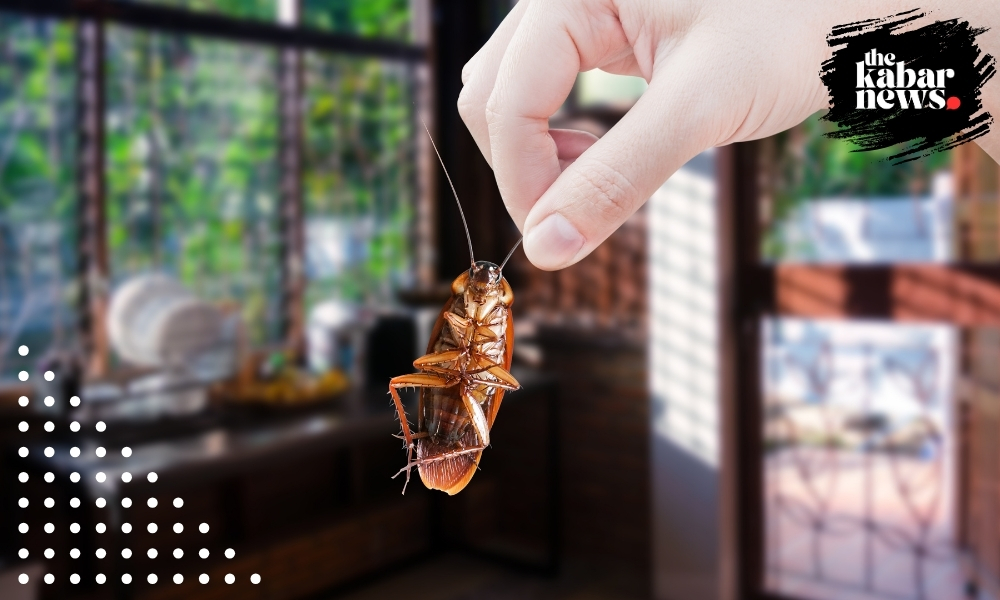
Thekabarnews.com – Researchers found that cockroaches start grooming themselves as soon as they touch a person. The study was published in the journal Proceedings of the National Academy of Sciences. This conduct is not a sign of dislike; it is an important way to stay alive.
Cockroaches’ antennae are covered in human skin oils, sweat, and lotions. These antennae are their main chemical sensors for finding food, navigating, and spotting predators. When these leftovers interfere with the insect’s senses, it experiences temporary confusion and becomes more vulnerable to harm.
Cockroaches groom themselves a lot to fight this. They use their legs and mouthparts to clean their antennae and body surfaces. Researchers say that this behavior also helps get rid of germs. This observation shows that grooming is an important evolutionary trait the cockroach needs to survive, not just a reflex.
Evidence from similar studies
This finding aligns with a growing body of insect studies. These studies indicate that grooming is crucial for keeping their senses sharp in many insect species. Research on ants has shown that workers frequently groom their antennae to maintain chemical communication within the colony.
When scientists put things on ants’ antennae that are not theirs, they cannot follow pheromone trails. This continues until they groom themselves to restore their sense of smell.
Fruit flies show similar patterns. A study published in Science found that fruit flies use very synchronized grooming sequences. These sequences help get rid of dust, germs, and chemicals on their bodies. Neural circuits control these sequences, giving cleaning sense organs first priority. The antennae are essential for life.
More research in insect physiology journals has shown that when moths’ and beetles’ antennae are contaminated, they are less sensitive to smells of food and mating cues. Grooming quickly reverses this impact, letting insects act normally and respond to their surroundings again.
A mechanism for survival through evolution
These investigations collectively substantiate the assertion. Grooming in cockroaches constitutes a component of a more extensive evolutionary strategy, which is prevalent across several insects.
Instead of showing dislike or disgust for people, the behavior shows an urgent need. The aim is to restore sensory accuracy, lower pathogen exposure, and stay aware of threats.
These are all important factors that have helped cockroaches and other insects survive near humans for millions of years.







No Comment! Be the first one.