

Can you get an organ back after you donate it? A famous case shows why the law says no
Thekabarnews.com—In the United States, many people believe that donating an organ is one of the most generous acts a person can perform. However, a well-publicized court case brought up a strange and...

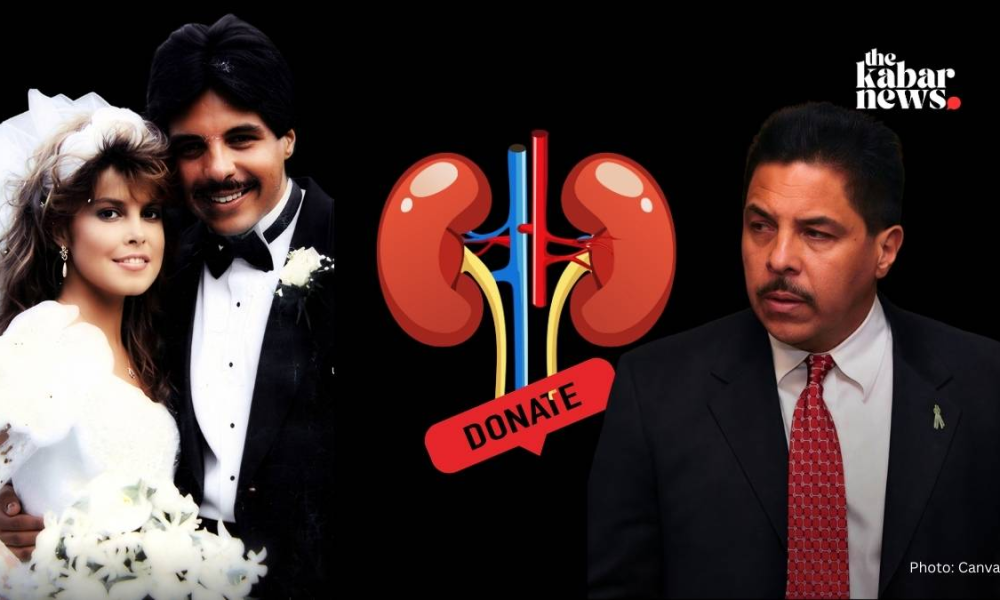
Thekabarnews.com—In the United States, many people believe that donating an organ is one of the most generous acts a person can perform. However, a well-publicized court case brought up a strange and long-lasting question. That is, can someone get back an organ they gave away after a marriage or relationship ends? The answer is a clear no, according to courts and medical professionals.
After two failed kidney transplants, Dr. Richard Batista, a surgeon in New York, gave one of his kidneys to his wife, Dawnell Batista. Doctors performed the operation to save her life at a crucial time. She required a compatible donor as soon as possible.
The couple’s marriage was already in turmoil at the time of the transplant. Despite the challenges, Dr. Batista apparently believed that saving his wife’s life could also improve their relationship.
The couple faced divorce
Dawnell Batista filed for divorce years after the transplant went well. Dr. Batista then sued, asking the court to either give him back the kidney he had donated or pay him the estimated value of it, which he said was about $1.5 million.
A New York court heard the case, and it soon got attention from people all around the world. Many lawyers and doctors concurred that the allegation had no legal basis.
It is against federal law in the United States; it is against federal law to sell, exchange, or assign a value to human organs. The National Organ Transplant Act says that giving an organ is a voluntary gift. Once someone gives an organ, it becomes a permanent part of their body. No one can take it back, pay for it, or treat it as marital property.
Medical professionals further emphasized that no court has the power to force surgery in any situation. In fact, it would be against medical ethics, bodily autonomy, and established legal protections to force the removal of a transplanted organ.
Medical ethics includes the right to control your body
The case raised important questions about medical ethics that go beyond the law. Organ donation relies on altruism, informed consent, and the understanding that donations cannot be reversed.
Allowing claims or financial demands after a donation would hurt people’s trust in transplant programs. It would also make them less likely to give life-saving donations.
Doctors also said that undoing a transplant is not technically possible. It would almost certainly put the recipient’s life in peril or kill them.
The Batista case still serves as a powerful example in discussions of organ donation law, medical ethics, and the right to bodily autonomy. It emphasizes that a donated organ is a gift, not a loan or a sale.
The verdict makes it clear to both potential donors and recipients that organ donation is permanent, unconditional, and protected by law, even if personal relationships change.






No Comment! Be the first one.