

At 19, Leonor, Princess of Asturias has already seen a lot of life
Spain, Thekabarnews.com—Leonor, Princess of Asturias, is only 19 years old, but she lives with the heavy weight of history. Her days follow a strict schedule of public appearances, study, and...

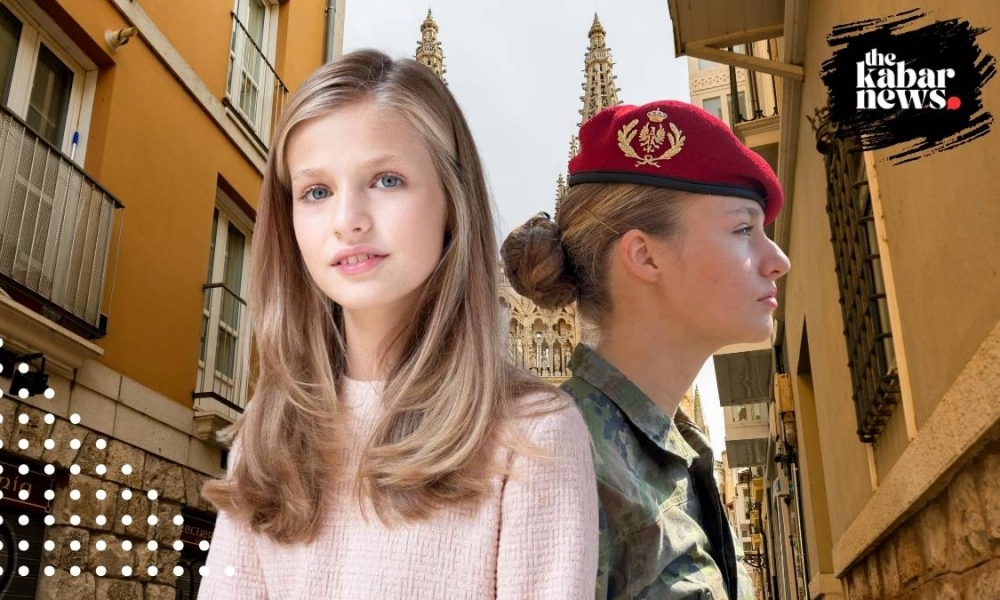
Spain, Thekabarnews.com—Leonor, Princess of Asturias, is only 19 years old, but she lives with the heavy weight of history. Her days follow a strict schedule of public appearances, study, and discipline, but each step is based on what people expect of her today.
Table Of Content
If Leonor becomes queen, she will be the first reigning queen of Spain in almost 150 years. The title is a big deal since it combines symbolism with duty.
Leonor was born in Madrid in 2005 as the first child of King Felipe VI and Queen Letizia. She was involved in public life at a young age. In 2014, when her father became king, she was named Princess of Asturias and became the next in line to the throne.
It brought a path that was not just based on privilege but also on preparation. Her upbringing has stressed service, restraint, and accountability, which are traits that will help her become a noble future queen.
Leonor’s education has never been only about schoolwork. She has given speeches with a calmness that suggests she is still learning how to be a leader, and she has represented the crown in situations meant to test her judgment and presence.
The discipline of military training
You can see her understanding most clearly in her current chapter, which focuses on military training. Leonor has begun rigorous training in accordance with a long-standing Spanish tradition for heirs.
The training is designed to teach discipline, resilience, and a practical awareness of national institutions. She exercises with other cadets in uniform, learning the duties of command without any special treatment.
The picture really speaks to many Spaniards. A teenage crown princess getting up before dawn and marching in boots shows that the monarchy is trying to connect with service and duty. It stresses that she needs to get ready for her future job, not just show off.
For 150 years, the crown remained without a queen
Queen Isabella II ruled Spain in the 19th century at a time of trouble and eventual exile. Since then, Spain has not had a queen regnant. Since then, queens have stood next to kings.
They are conspicuous and powerful, but they are never their sovereign. Leonor’s possible reign would end a hiatus of a century and a half, marking a dramatic change in the story of the monarchy.
Leonor’s narrative is partly about timing. Democracy, global instability, and social upheaval have all had an effect on her generation. Concerns about the climate, financial difficulties, and disagreements about her identity have molded her youth.
If she becomes queen, she would not only get a crown, but she would also have to deal with a country that is still unsure of the value of monarchy.
That conflict is what makes her path interesting to people. Leonor does not have electricity yet. She studies, trains, and listens, knowing that millions of people are looking for signs of the leader she could become.
Supporters view her as a way to keep things going without getting stuck—an evolution that respects the past while welcoming the future. Critics say that the institution is still looking for its purpose. Leonor is in the middle of both opinions, giving some people hope and others doubt.
History is on the way
History frequently stops for a moment before it moves. Leonor is 19 years old, and she lives in that moment, becoming herself as the future watches. It is still unclear if monarchy can really change with the times.
It is apparent that if Spain’s next chapter involves a queen, it will start with a young woman who has been getting ready for that moment long before the crown touches her head.







No Comment! Be the first one.