

A Single Injection Took The Place of a Lifetime’s Worth of Cholesterol Pills
Jakarta, thekabarnews.com – A big medical development means that people may not need to take cholesterol medicines every day in the future. Scientists have used CRISPR gene-editing technology...

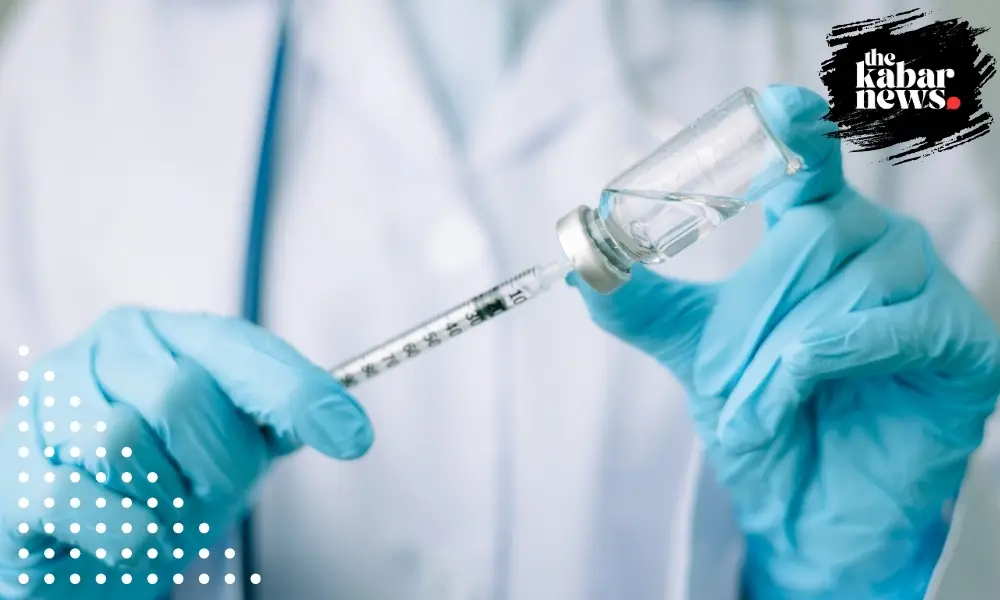
Jakarta, thekabarnews.com – A big medical development means that people may not need to take cholesterol medicines every day in the future. Scientists have used CRISPR gene-editing technology to permanently turn off a gene in the liver that makes too much cholesterol. A single injection changed the way the body controls cholesterol levels inside.
In early human trials, levels of LDL cholesterol plummeted by almost 50 percent. Additionally, levels of triglycerides declined by more than 55 percent. This treatment seems to last a long time, maybe even forever. This is unlike statins and other lipid-lowering medications that you have to take every day for the rest of your life. The intervention works by changing the DNA in liver cells. This changes the way cholesterol is made at its source.
This method does not just treat the symptoms. It also goes after the actual cause of high cholesterol. Once the gene is turned off, the liver spontaneously keeps lipid levels at a healthy range. This happens without the need for more medicine. Researchers think this method could greatly lower the risk of heart attacks and strokes over a person’s lifetime. This is especially true for people who have inherited or treatment-resistant cholesterol problems.
The effects go far beyond just cholesterol. These gene-editing techniques could potentially treat high blood pressure, type 2 diabetes, and other metabolic or cardiovascular illnesses. This could happen in the future. The development means that medicine is changing from treating chronic diseases. It is now fixing biological problems once.
Experts say the present is a turning moment in preventative medicine. However, more long-term safety data and bigger trials are still needed. A future in which a single therapy supplants decades of daily medication could radically transform healthcare expenditures. It could also change the methodology for addressing diseases at their source rather than their effects.
Conclusion
A major medical breakthrough suggests daily cholesterol meds may be unnecessary. Scientists used CRISPR gene editing to permanently silence a liver gene that produces too much cholesterol.
After a single injection, early human trials showed approximately 50% LDL cholesterol reduction and over 55% triglyceride reduction. This medication may permanently alter liver cell DNA to treat excessive cholesterol.
Researchers believe it could considerably lower heart attack and stroke chances, especially in hereditary or treatment-resistant cholesterol patients. Similar gene-editing methods could treat high blood pressure and type 2 diabetes, not just cholesterol. Experts believe this will alter preventative medicine, but more long-term safety data and larger trials are needed.







No Comment! Be the first one.