

A Look Inside Indonesia’s Free Meals Program (MBG)
Jakarta, Thekabarnews.com – The National Nutrition Agency (BGN) says it is fully ready for the Free Nutritious Meal Program to start in early 2026. But the program’s huge size makes some...

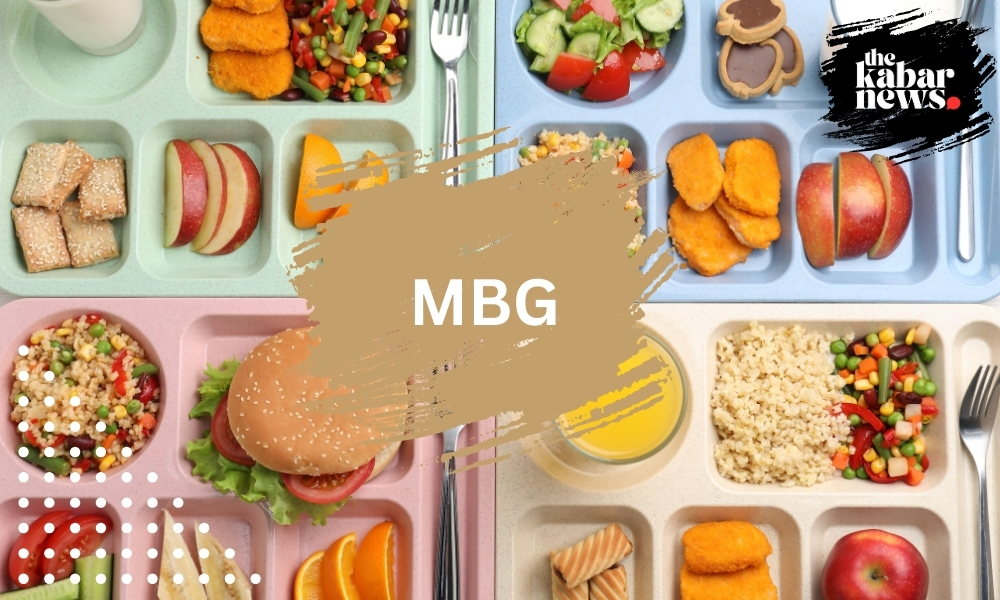
Jakarta, Thekabarnews.com – The National Nutrition Agency (BGN) says it is fully ready for the Free Nutritious Meal Program to start in early 2026. But the program’s huge size makes some wonder about quality control and monitoring. Questions also arise about if it can last over time.
Table Of Content
BGN announces it has finished building 19,188 Nutrition Fulfillment Service Unit (SPPG) by the end of 2025. The facilities are the main part of the government’s free meals program (MBG). It intends to help more than 55.1 million people across the country.
The initiative prioritizes students, pregnant and breastfeeding moms, and toddlers. It recognizes their significant role in the country’s nutrition policy. BGN notes that each SPPG works as a kitchen for making and distributing food. The food meets national requirements for hygiene and nutrition.
Food distribution is set to start on January 8, 2026, at the same time as kitchen operations begin. This will happen after a personnel and logistics phase in early January 2026.
The government says the infrastructure is ready
BGN head Dadan Hindayana stated that the rapid growth resulted from a meticulously crafted plan. It took a year to put into action.
“This shows a huge and measurable effort, going from just 190 SPPG units at the beginning of 2025 to 19,188 by the conclusion of the year,” Dadan said.
He said that the size of the infrastructure already in place makes it possible for the MBG program to start operating across the country at the beginning of the 2026 fiscal year.
BGN states that this year it would focus less on building things. Instead, more focus will be on improving service quality and boosting public nutrition education.
But the rollout’s size raises questions: how well-prepared are the thousands of kitchens? Remote areas, with limited food supply chains and trained staff, face an especially acute challenge. These areas continue to lack adequate monitoring systems.
Authorities are examining quality and oversight
Past experiences with large-scale food aid programs show that having the right infrastructure is not enough to make them work. Making sure that meals are always safe, tasty, and correctly targeted has frequently been harder than building things.
BGN has not yet made available a way for an independent audit of the SPPG kitchens. It has not explained how it will handle complaints if infractions occur, nor how it will monitor food quality.
Public health policy scholars say that without sufficient monitoring and budget transparency, a program this big could cause problems that are already common. This includes inconsistent treatment quality and differences between regions.
Support from President Prabowo Subianto
President Prabowo Subianto has personally checked the MBG rollout on several trips to the field. The president emphasized the importance of child nutrition as a long-term national investment when visiting flood victims in South Tapanuli.
“Kids need to eat well so they can grow up healthy, strong, and smart and be the future of this country,” Prabowo stated.
The comments make it clear that MBG is not just a technical feeding program. It is also the new administration’s main political agenda. People will probably judge the government based on how well it keeps its promise to increase public welfare.
Parliamentary support: risks of implementation still exist
Parliament has also backed the program. Netty Prasetiyani Aher, a member of the House of Representatives’ Commission IX, called MBG a strategic intervention for people who are at risk.
She said that community health posts, local health cadres, and Family Assistance Teams are important linkages between central policy and actual execution.
The efficacy of these actors, on the other hand, depends a lot on how well the local government can handle things. The steadiness of funding is also crucial. There are still big dangers of mistargeting and lower service quality if local monitoring is not strengthened.
A social experiment with a lot at stake
With a huge budget, a reach across the country, and a lot of political attention, MBG is one of the most ambitious food and nutrition projects in Indonesia’s history. The number of kitchens created will not be a measure of its success. Instead, success will be if 55 million people really get safe, healthy, and long-lasting meals.






No Comment! Be the first one.