

A fish-mouth filter may get rid of 99% of plastic particles in water
Thekabarnews.com – Scientists have created a new laundry filter called a fish-mouth filter that may get rid of 99% of plastic particles in water. It is based on fish gills that catch an amazing...

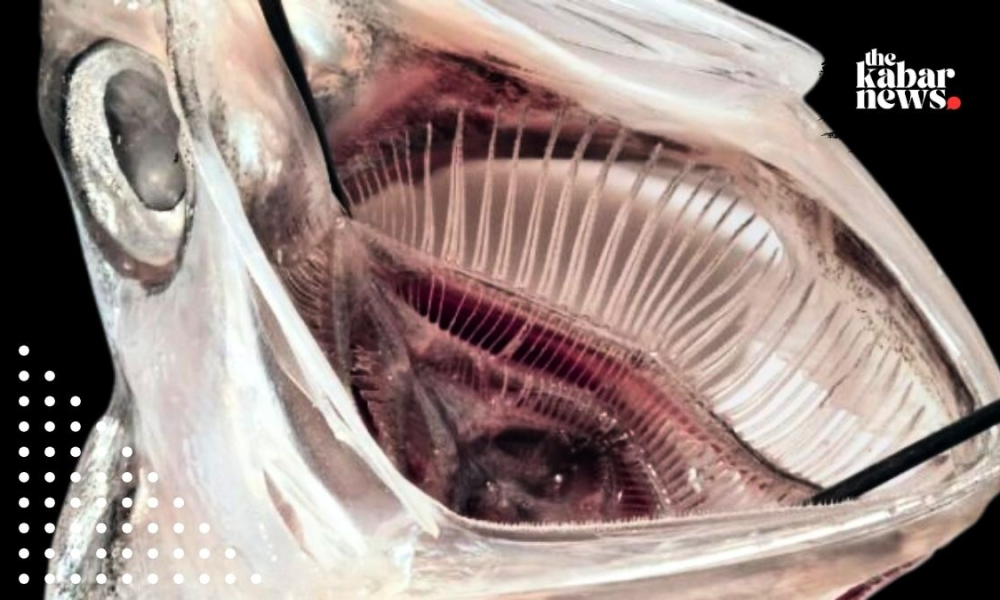
Thekabarnews.com – Scientists have created a new laundry filter called a fish-mouth filter that may get rid of 99% of plastic particles in water. It is based on fish gills that catch an amazing 99% of microplastic trash before it gets to the ocean. This new idea helps with the problem of more than 5.6 million metric tons of invisible pollution that have entered the environment since the 1950s.
When you wash clothes made of synthetic materials like polyester and nylon, millions of tiny plastic fibers break off. They go straight into our rivers. These little bits of plastic are too small for regular filters to catch, which makes the pollution problem worse.
The University of Bonn and the Fraunhofer Institute worked together to find a solution to this problem by looking to the ocean for ideas. They found that anchovies’ and sardines’ specialized gill structures catch small plankton while letting water flow through. It is the right model for a high-efficiency filtration system.
The final device looks like a funnel-shaped fish. This means that particles roll down the filter’s surface instead of being pushed directly into it. This new design gets rid of up to 99% of microplastics in laundry wastewater. It also cuts down on clogging by 85%.
This bio-inspired technology is different from regular mesh filters. The system allows particles to accumulate in a chamber that users only need to empty every few dozen washes, similar to a dryer’s lint trap. Developers have already filed a patent for this technology, and manufacturers may soon integrate it into home washing machines, creating a nature-inspired shield for global water systems.
(Source: Hamann, L., et al. (2025). A bio-inspired, self-cleaning high-retention filter for a significant entry point of microplastics. Published in npj Emerging Contaminants).






No Comment! Be the first one.