

A closer look at cities and forests
Pontianak, Thekabarnews.com—The recent calamity that struck sections of Sumatra serves as a poignant reminder of the interconnectedness between cities and woods. The heavy rain was definitely an...

Pontianak, Thekabarnews.com—The recent calamity that struck sections of Sumatra serves as a poignant reminder of the interconnectedness between cities and woods. The heavy rain was definitely an influence. But geography is a major factor in the incident’s severity.
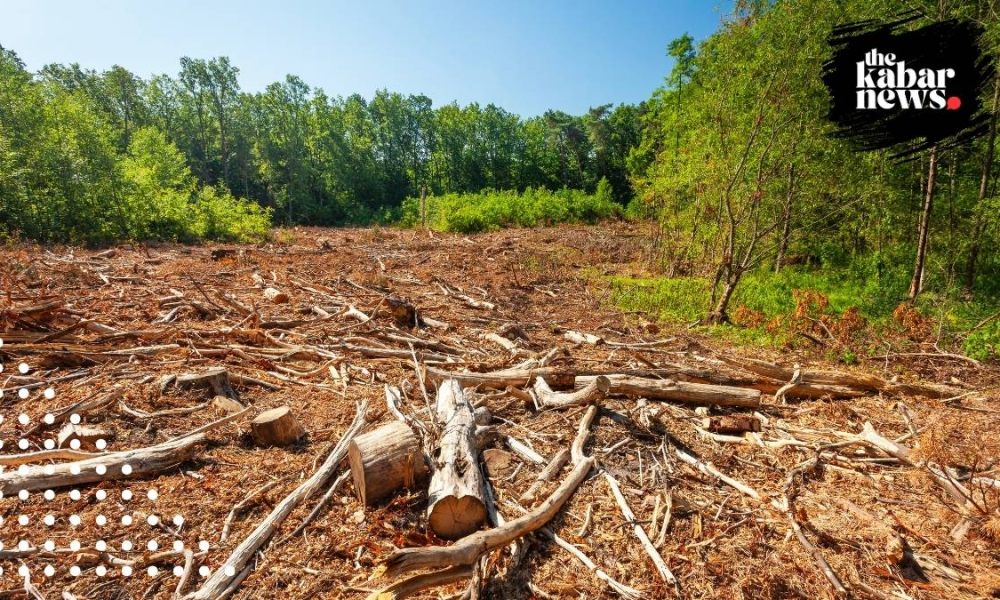
As trees shrink, the soil absorbs less water, and slopes lose their natural roots. Heavy rain makes the water pour down the slope with a lot of power. It can cause floods and landslides. These events are not merely natural occurrences; they expose ecological traces that remained hidden for a long time and are now suddenly coming to light.
People often view urban woods as indicators of a city’s environmental sustainability, but this article doesn’t focus on them. Instead, it looks at how forests and cities are connected, even though we often consider them separate places.
Forests do best when things are calm and slow. They develop slowly over decades and even centuries. They hold water and keep the soil stable. Forests make the air clean and are home to many different kinds of plants and animals. This works together to keep biological cycles going and life systems in balance.
Table Of Content
The city embodies the false idea of separation
Cities, on the other hand, do well with speed and efficiency. They have calendars, daily goals, and a culture that values getting things done. In the mornings, cities are often full of bottled drinks, fast food, cars, and the need for energy all the time.
People in cities go about their daily lives without thinking much about where their acts come from. They don’t consider what their actions mean or what will happen as a result. But it is in this distance that the secret link between cities and forests works.
The water we drink and cook with typically comes from bottles or gallon containers. It comes from springs that are fed by forests collecting rainwater. Even if the air we breathe is getting more polluted and hotter, trees that are far away from us still filter it. The title “Daily Consumption and Its Long-Term Effects on the Environment” summarizes the focus of this section.
The things we use every day, such as paper, tissues, packaging, fuel, and food, all add up to a big ecological footprint. Land clearing and forest fragmentation are usually the first steps in these cycles. This process leads to the loss of important ecological buffers.
Think about a packet of quick noodles. It looks easy—cheap, quick, and filling. But it has a big impact on the environment. Wheat flour and spices come from farms that often replace natural ecosystems.
Palm oil and other vegetable oils are intimately linked to deforestation. The production of plastic packaging consumes energy and results in non-biodegradable waste.
Furthermore, the product has to be moved large distances, often across islands, which uses up fuel.
People eat the noodles in a matter of minutes, but their effects on forests, water, air, and waste systems last far longer.
Instant noodles are not harmful for you by themselves. They simply remind us of an important truth: even the smallest decisions we make in the kitchen connect directly to forests, water, and the Earth as a whole.
When urban comfort becomes a danger to the environment
The problem is that city living depends on the false sense of separation. People think of trash as “gone” once it leaves the house. They see water as “finished” once the bottle is empty and power as “neutral” once a switch is flicked.
This shift of weight actually happens. It moves from cities to forests, from comfort to ecological risk, and from the present to the future. Forest loss impacts extend beyond isolated areas. They spread downstream, infiltrating cities and passing through homes and neighborhoods.
The latest floods and landslides are a clear reminder that ecological problems are never far away. They are only waiting for the appropriate time to come back.
Learning ethics again in the forest
In fact, forests have always been near cities. Our knowledge of this dependence is what is far away. Urban lifestyles can be detrimental for forests if people don’t follow rules and prioritize speed over wisdom. Additionally, people often show a lack of care for their purchases and disregard the environmental limits during development.
Forests can impart a philosophy of life that emphasizes focusing on essentials. They allow time for recovery and respect for non-expedited processes.
Cities are a part of the answer
Protecting the environment is not just about making cities greener by adding more parks and urban woods. It also means changing the way people live and work in cities. This change reduces stress on upstream and wooded areas.
Policies in cities can focus on cutting down on single-use trash and using water wisely. Making energy use more efficient and helping supply chains that do not harm forests is vital too. Cities also play an important role by educating the public. They work with rural and forest areas as a single ecological system.
Cities may go beyond being environmental problems. In doing so, they become active contributors in protecting forests for the future.
Written by Mira S. Lubis, lecturer of urban and regional planning at Universitas Tanjungpura, Pontianak.







No Comment! Be the first one.